Abdullah
Edrees
Preserving story, character, and emotion across languages.
Helping stories feel original, never literal. My work spans subtitle localization, dialogue adaptation, script editing, and narrative QA for television and digital media — built around one goal: a story that plays as though it was made for its audience, not converted for them.
Explore the Work
Localization as a craft, not a conversion.
Stories rarely survive translation on literal accuracy alone. Great localization preserves rhythm, humor, character voice, pacing, and emotional impact — the parts of a story that never show up in a dictionary.
My work is adapting stories so they feel like they were made for their audience in the first place, not converted for them afterward. That means treating every line as a storytelling decision before it's a linguistic one.
Over the years I've contributed to television productions through subtitle localization, dialogue adaptation, script editing, naming consultation, terminology research, and narrative quality assurance — work that sits closer to the writers' room than to a glossary.
- Audiovisual LocalizationSubtitles, dialogue & scripts
- 12+ ProductionsLocalized for television & streaming
- 1,100+ EpisodesAnalyzed for content & continuity
- EN ⇄ ARPrimary language pair
Five principles behind every decision.
This is less a checklist and more a way of thinking about what a story needs to survive the move into another language.
Context before literal accuracy
Meaning always comes first. A line that's technically correct but tonally wrong has already failed the story.
Characters deserve consistent voices
Every character should sound like themselves from episode to episode, not like the translator behind them.
Localization should be invisible
If the audience notices the translation, it probably needs more work. The best localization disappears into the story.
Every line serves the story
Not just the dictionary. Word choice is a storytelling decision first, and a linguistic one second.
Cultural adaptation preserves intent
Adapting a joke, a name, or a reference should never erase what makes the story unique — only make it legible to a new audience.
Where translation ends and localization begins.
From long-running anime to preschool cartoons: subtitle localization, dialogue adaptation, script editing, and narrative QA across genres and audiences.

Inazuma Eleven Go: Chrono Stone & Galaxy
Adapted dialogue for natural flow and a consistent character voice, and reworked plot structure for coherent, engaging storytelling episode to episode. Developed localized names and references for cultural fit, while ensuring technical accuracy in timing, pacing, and lip-sync alignment.
Subtitle Localization
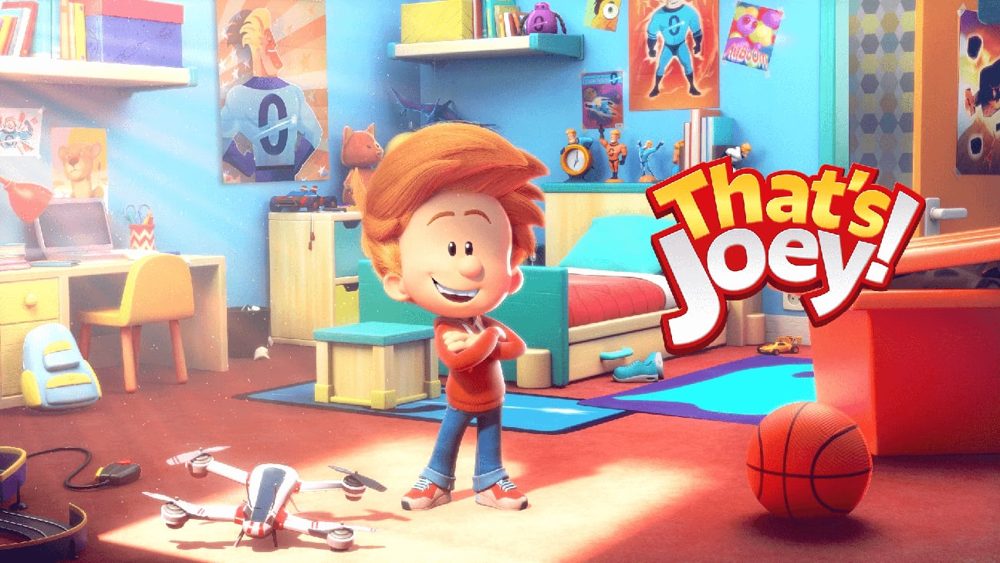
That's Joey
EN → AR + SRT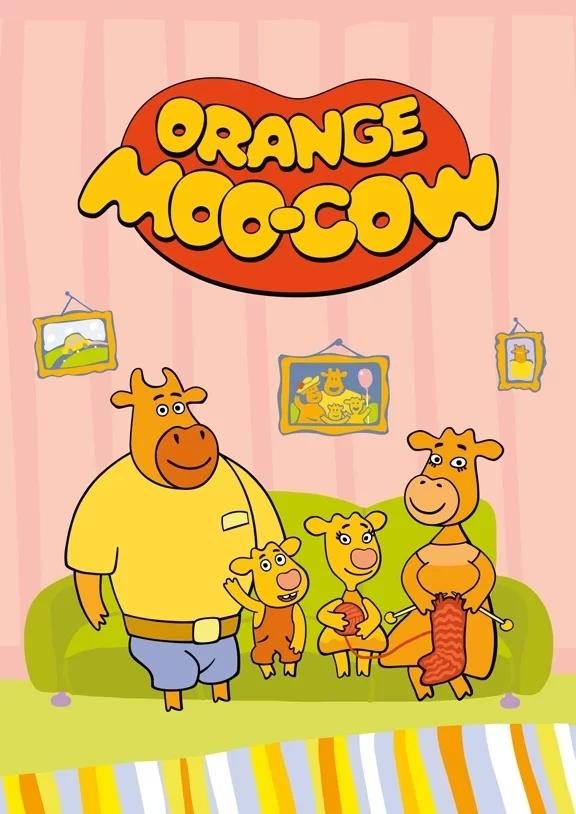
Orange Moo-Cow
EN → AR + SRT
Kuroko's Basketball
EN → AR + SRT (S3) · AR → EN + SRT (S1-S3)
Les Misérables
AR → EN + SRT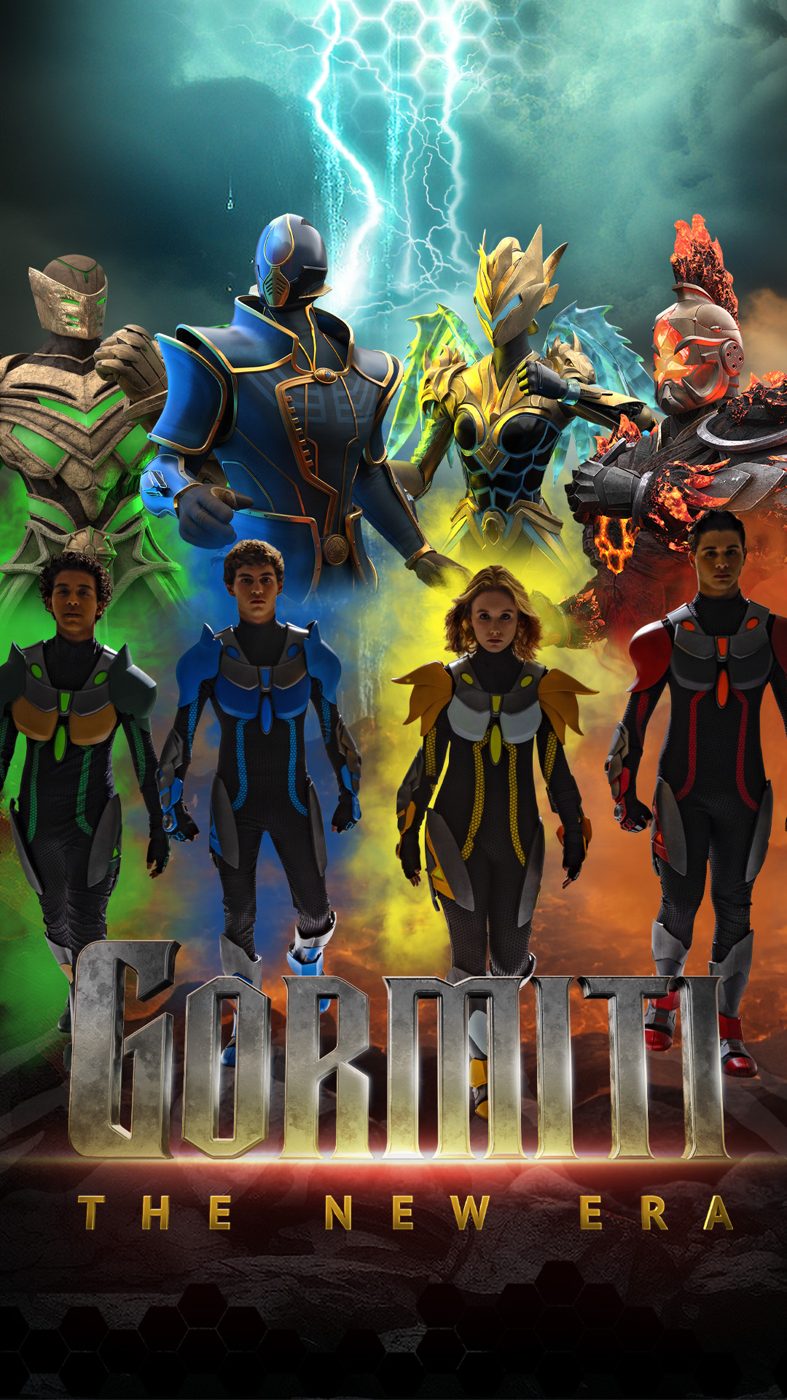
Gormiti: The New Age
EN → AR + SRT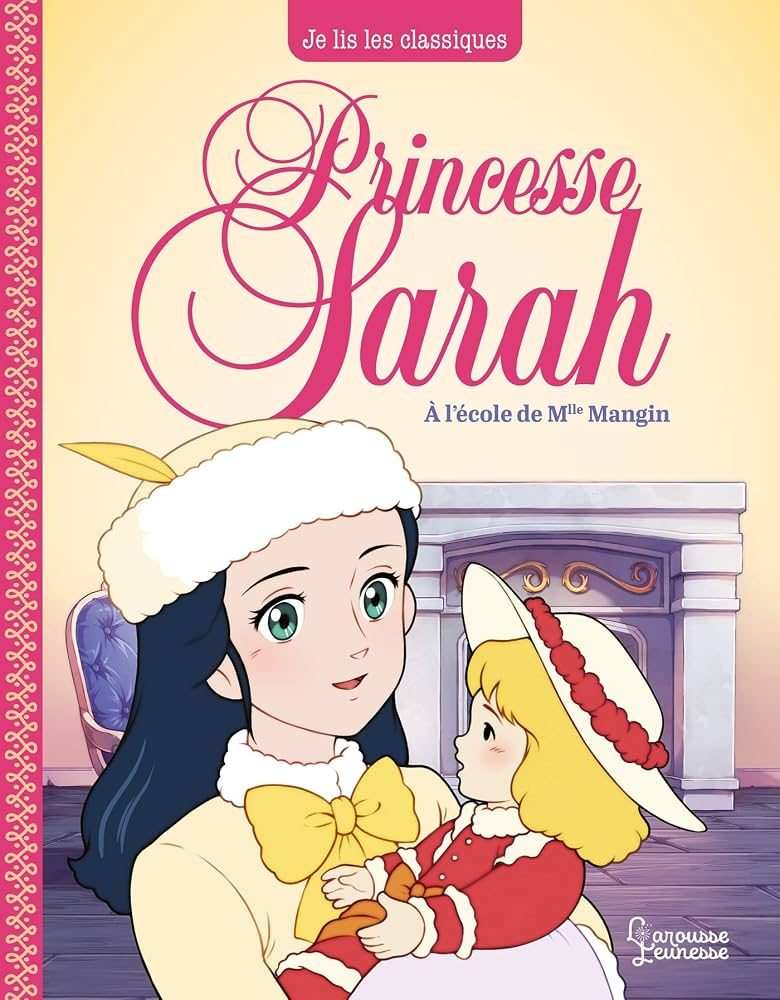
Sara, the Little Princess
SRT only
Zafari S1-S2
SRT + censorship management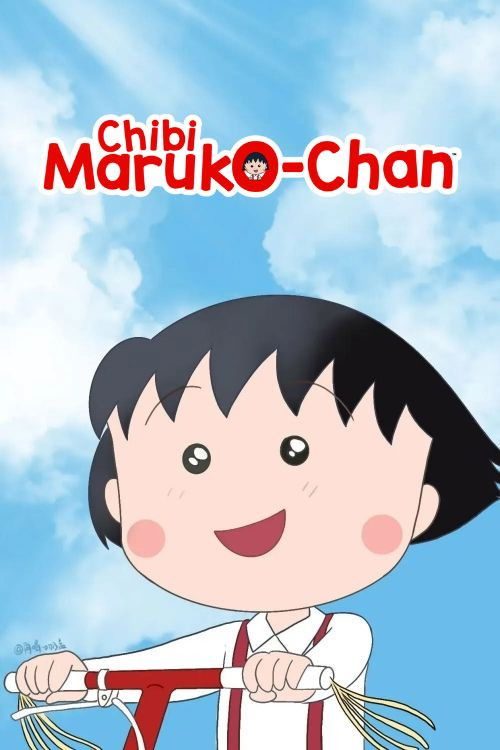
Chibi Maruko-chan
EN → ARNarrative QA & Story Analysis

One Piece
Content Study · Synopsis Writing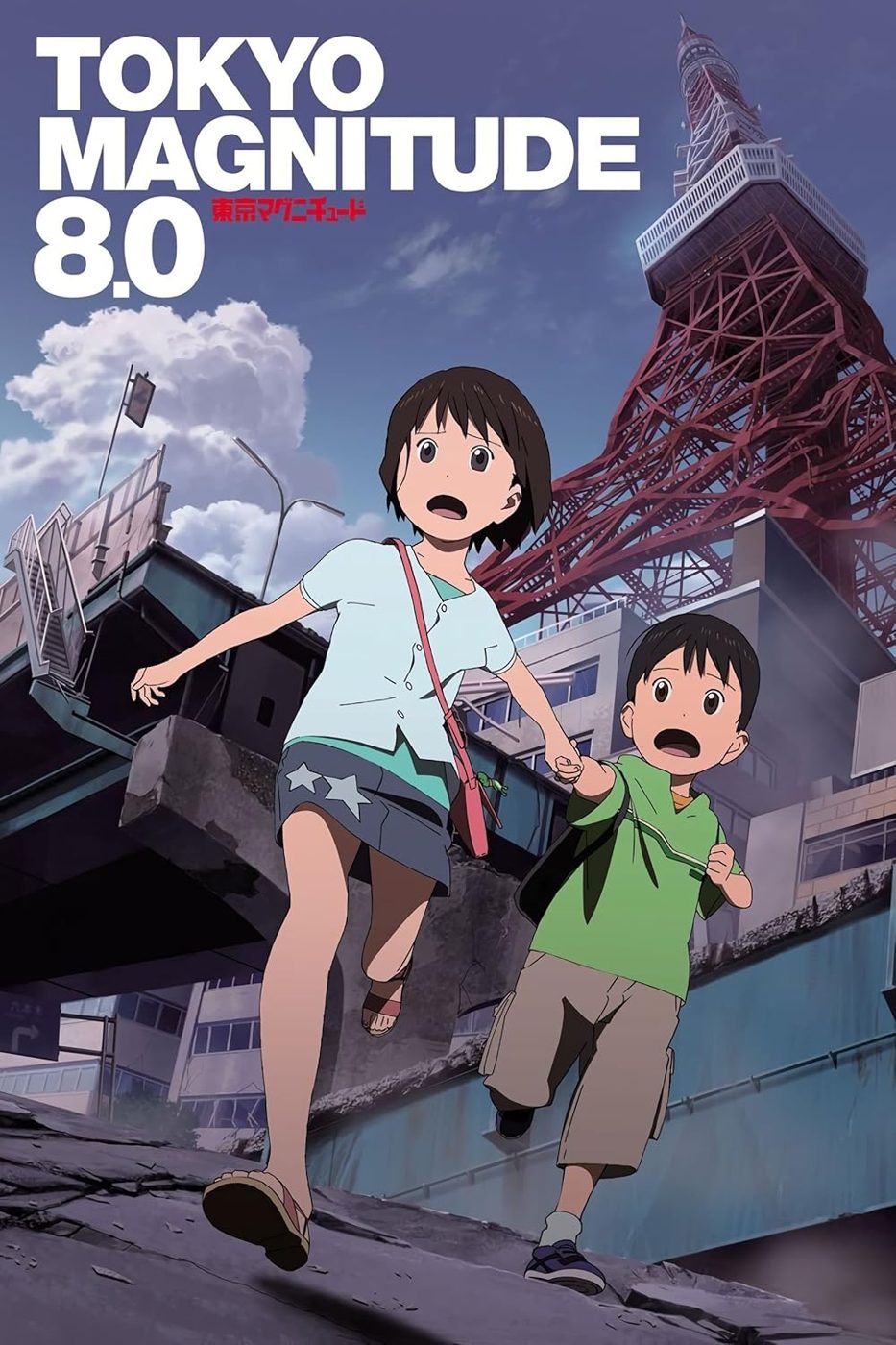
Tokyo Magnitude 8.0
Synopsis WritingEvery title here reflects the same throughline: adapting dialogue, structure, and tone so a story plays naturally for a new audience, in Arabic or English.
A few decisions, and the thinking behind them.
Titles and episode counts show scope. These show judgment — the calls that don't show up in a credits list.
Reimagining an Episode's Closing Message
A children's episode ended on a standard proverb in the original script. Since the episode centered on dinosaurs, the line became:
The educational message stayed intact, but it turned into something viewers would actually remember, tied directly to what they'd just watched.
Lip-Sync Enhancement
Several summoned characters moved their mouths on screen without any vocalization in the original cut. I proposed giving each summon a short vocal expression during its transformation.
It closed the gap between motion and sound, and made the sequences read as noticeably more natural.
Character Naming at Scale
A new season introduced a large cast of characters at once. Rather than translating names literally, each localized name was developed by weighing Japanese etymology, personality, future story arcs, mythology, and cultural familiarity.
The result: names that carry meaning, not just sound.
Narrative QA in Reverse Translation
While translating Arabic dubbing scripts back into English for an international production, I flagged continuity and plot inconsistencies before delivery.
Catching them meant understanding not just the narrative, but the reasoning behind earlier localization choices.
What that judgment looks like in practice.
Dialogue that feels natural, not translated
Strong understanding of story structure
An editorial mindset, not just a linguistic one
Experience adapting long-running, serialized television
Consistent, careful terminology management
Comfortable collaborating on narrative decisions
Three disciplines, one throughline.
Localization work draws on more than language. It draws on story sense and editorial judgment too.
Localization
Narrative
Editorial
How I can help.
From first draft to final subtitle: end-to-end localization support for television and digital media.
Subtitle Localization & Adaptation
- English-Arabic localization with cultural accuracy
- Subtitling and timing using Subtitle Edit
- Localization of names, idioms & references
- Proofreading for clarity and flow
Script & Narrative Editing
- Script localization & dialogue adaptation
- Narrative consulting & worldbuilding
- Character voice consistency across episodes
- Naming consultation & terminology research
Narrative QA & Story Analysis
- Story and script critique
- Continuity & consistency review
- Feedback on plot, pacing & character dynamics
- Censorship & broadcast-standard review
I also teach English.
TESOL-certified, with hands-on experience helping teens and adults build real speaking confidence and fluency.
Alongside localization work, I teach conversational English to teens and adults, building confidence and fluency through interactive, communication-first lessons.
The same skills carry over both ways: being bilingual in English and Arabic, with a background in dialogue and language editing, gives me a sharp eye for detail and clear communication in the classroom.
Private English Tutor
- One-on-one and small-group conversation coaching for teen and adult learners
- Lessons designed around speaking confidence, fluency, and everyday communication
- Teaching approach adapted to each learner's level, goals, and pace
English Instructor, Public Middle School
- Taught foundational English (alphabet, vocabulary, and grammar) to beginner-level students
- Managed classroom activities and built lesson plans for mixed-ability groups
Let's create something beautiful together.
Have a show that needs to feel native in another language, a script that needs sharpening, or a story that needs a second pair of eyes? I'd love to hear about it.
Interested in localization, subtitle adaptation, dialogue editing, or narrative consulting? Let's talk.